Theme:
Fear of the Lord
Verse:
Ecclesiastes 8:12-13, “12 Though a sinner does evil a hundred times, and his days are prolonged, yet I surely know that it will be well with those who fear God, who fear before Him. 13 But it will not be well with the wicked; nor will he prolong his days, which are as a shadow, because he does not fear before God.”
Key question:
We often hear about God’s loving kindness, and His deep compassion for humanity. So, how does Fear enter the picture?
Other questions:
We may have long ago experienced ‘fire and brimstone’ sermons about the nature of God, but that changed during the 60’s and 70’s, to the point in 1967 where John Lennon could have his song mantra of “All you need is love” widely accepted. Unfortunately, that mantra has a wide variety of interpretations which fail to capture the essentials of the Christian gospel. And the song was released at a time when even the Beatles could not get along together, and they started to break apart.
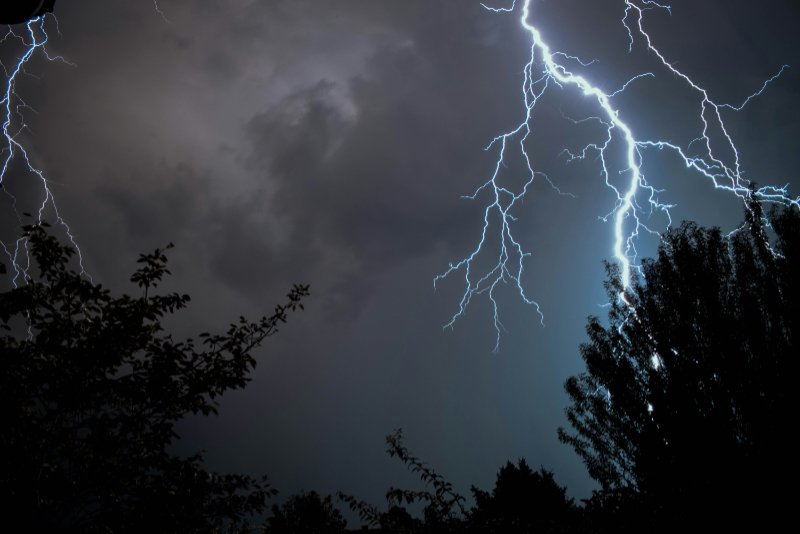
I found hundreds of related verses, and have included many in the list to be skimmed to show how widely “fear” is used, as well as a few on God’s wrath. The “fear of the Lord”, who is a jealous God, whose wrath is a fire to consume the wicked, is a major part of the bible, and features consistently in both the New and Old Testaments.
So, how do we explain this?
What part does fear have in our faith, in our personal relation to God? Why might “fear” be important?
Does “reverence” fully capture our appropriate response to God’s nature?
What is the real nature of God?
How do we reconcile verses about Fear of the Lord with verses about His love and compassion?
Reflection:
We are blessed to have grown up and worked in what was a mainly loving and caring Christian community, and even if we faced conflict, it tended to be moderated by the social framework we enjoyed, and that tended to shield us from the real nature of fallen humanity.
If you have met murderers, child molesters, and similar depraved people you may have discovered what the natural human nature is like. This world can easily descend into chaos, due to the mental chaos and explosive nature of people without self-control, and we have a long history of the results — in Cambodia, Bosnia, Rwanda, and recently with Russia, and Hezbollah.
We usually think of King David’s fallen nature being shown in his adultery with Bathsheba, and the killing of her husband Uriah the Hittite, but there is a later example in his loving but over-indulgent treatment of his rebellious children. In 2 Samuel, his son Amnon’s rape of his daughter Tamar went unpunished but was later avenged by her brother Absalom, who killed Amnon. After a time of exile followed by reconciliation, Absalom proceeded to create further chaos. He charmed the populace into following him instead of David, leading to a civil war where David had to escape from Jerusalem. After the deaths of many Israelites in battle, David’s army was victorious, but instead of David showing respect and gratitude to those who had fought and given their lives for him, he was overcome with grief over the death of Absalom.
2 Samuel 18:33 reads, ‘… he said: “O my son Absalom! My son, my son Absalom! If only I had died instead of you—O Absalom, my son, my son!”’
Absalom represents the wild and unrestrained nature of fallen mankind in all of us, for mankind tries to take over from God in the same way Absalom did from David.
David’s story pictures the consequence of indulgent love and forgiveness without a parallel restraint of fear of punishment for sin. In the bible we have both God’s promises of his grace and forgiveness through Jesus, and also of the terrible punishment for sin awaiting those who reject his grace, who have no fear of the consequences of their sin.
It is wonderful when people simply respond to God’s love with complete loyalty and obedience, but many also need fear of God’s power and punishment to first calm and control their wild nature. It is only when that nature is brought under God’s control that we can begin to receive his many blessings, such as knowledge and understanding. As Psalm 111:10 says, “The fear of the LORD is the beginning of wisdom”
The fear of the Lord also frees us from slavery to worldly powers. If our major fear is of worldly influences and the threats they pose, that can deter us from responding to following God’s will. However, when we understand worldly threats are nothing compared to the almighty power that created and sustains the entire universe, then our primary fear belongs to God alone, which frees us from worldly fears.
When I remember the topsy turvy nature of some of my teenage years, I thank God for using His power to override my fallen wild nature. And if that involved fear then I am very grateful.
Related verses:
0 Comments